Introduction: LEGO Brand and Communication
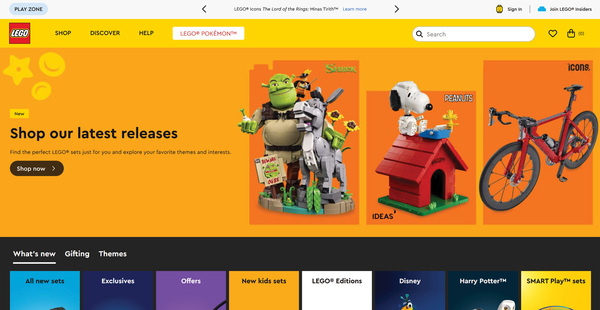
LEGO is one of the most recognizable toy brands in the world. The company was founded in Denmark in 1932 and has become a global leader in creative play and educational entertainment. Today, LEGO is much more than a toy manufacturer. It is a brand that inspires creativity, imagination, and learning through play for children and adults around the world.
The core idea of LEGO is that every person can create something unique through imagination. The company’s mission is to inspire and develop the builders of tomorrow by encouraging creativity, problem-solving, and self-expression. Instead of simply selling products, LEGO promotes the value of learning through play and creative thinking.
Although LEGO was originally designed for children, today its target audience is much broader. The brand communicates with young children, teenagers, parents, educators, and adult collectors. This diversity allows LEGO to build different types of communication while maintaining a consistent brand identity.

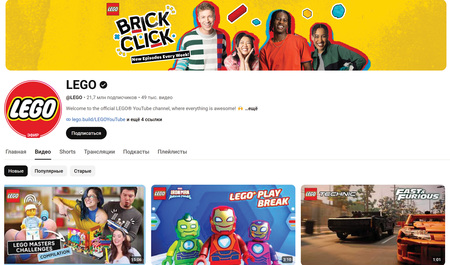
LEGO actively uses multiple communication channels to reach its audiences. The company communicates through its official website, Instagram, TikTok, YouTube, Facebook, and other digital platforms. This multichannel strategy helps the brand create continuous interaction with users and maintain a strong online presence.
LEGO’s social media content focuses not only on products but also on storytelling, creativity, and community building. The brand regularly shares short videos, photos, building ideas, and interactive posts that encourage users to participate. This creates a communication process based on engagement rather than simple advertising.
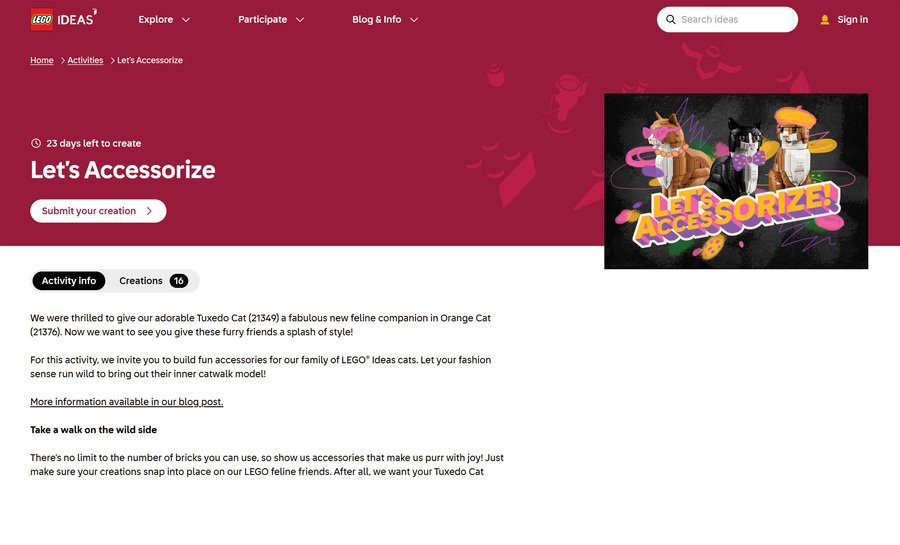
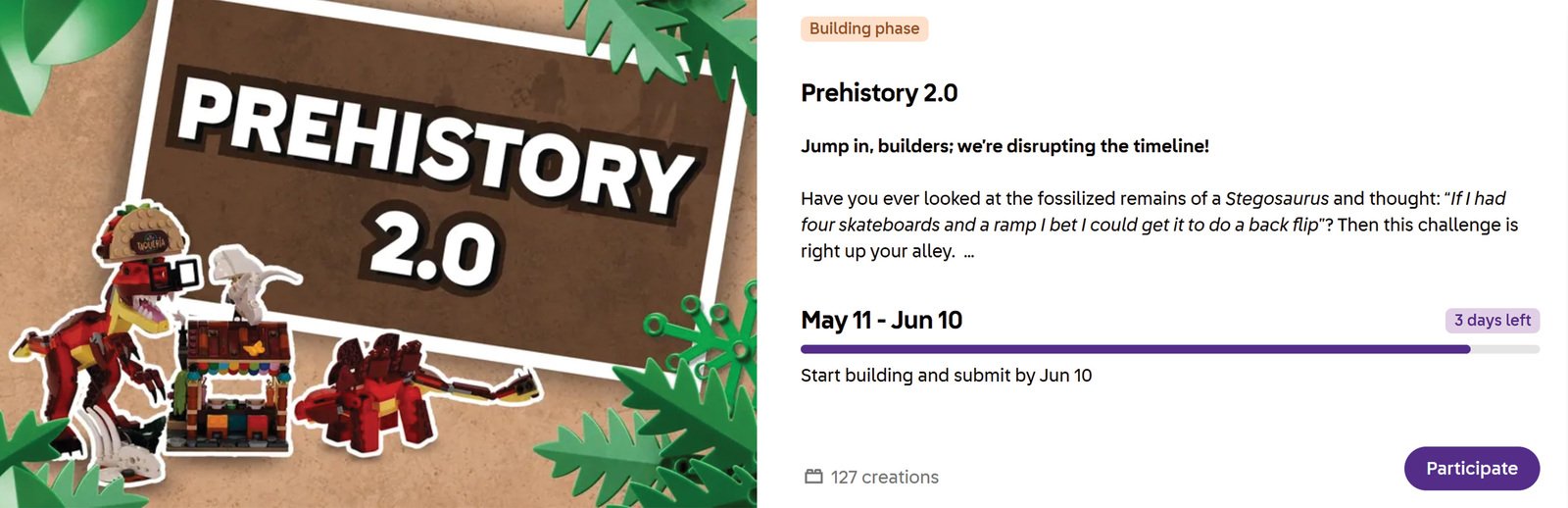
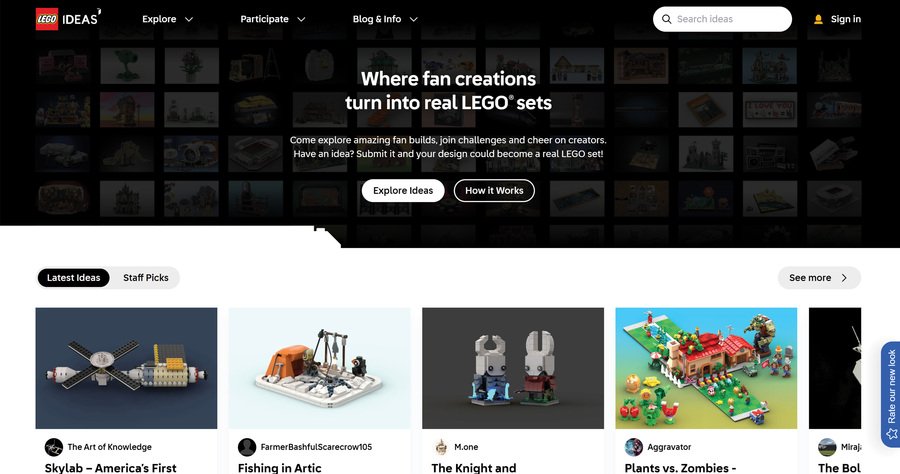
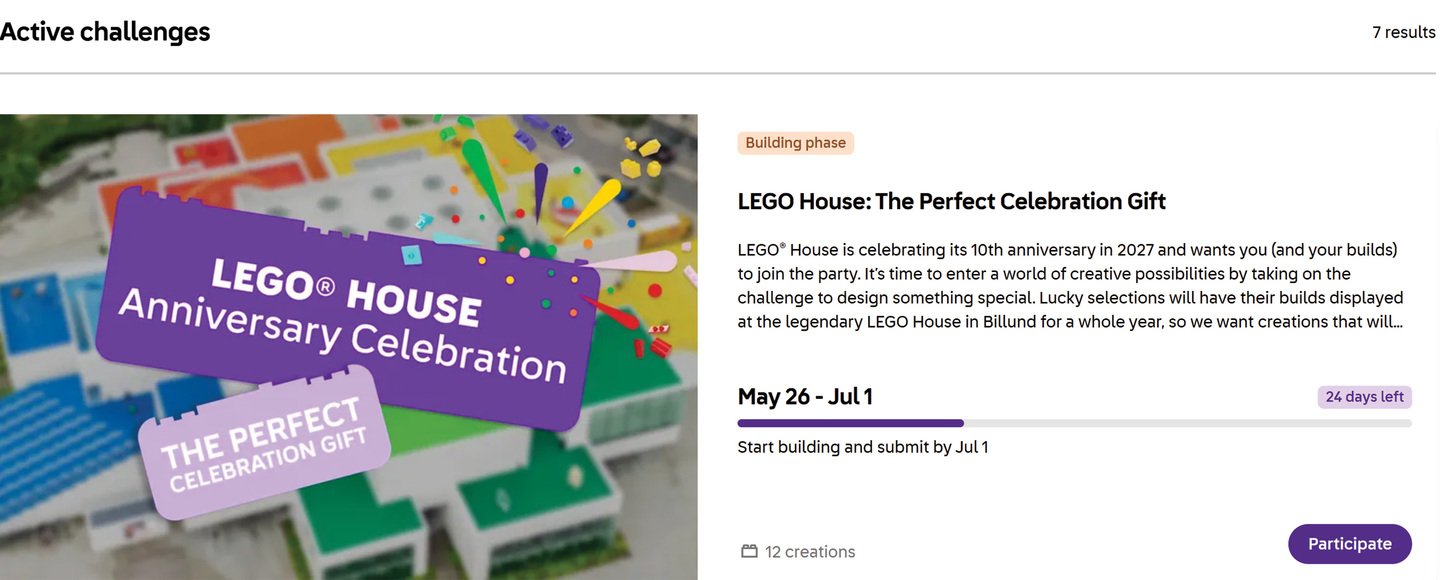
One of the most unique communication tools used by LEGO is the LEGO Ideas platform. Fans can submit their own designs, participate in challenges, and vote for projects created by other users. The best ideas have the opportunity to become official LEGO products sold worldwide. This approach transforms consumers into active participants in the communication process instead of passive audiences.
LEGO frequently collaborates with global entertainment brands and public figures. The company creates collections inspired by Star Wars, Harry Potter, Marvel, Formula 1, and football organizations. These collaborations help LEGO reach new audiences and strengthen emotional connections with existing fans through popular culture.
LEGO also addresses important social topics in its communication campaigns. Many advertisements focus on children’s imagination, creativity, diversity, and family relationships. Campaigns such as Inspire Imagination encourage parents to spend more time playing with their children and show that creative play contributes to children’s development and communication skills.
Overall, LEGO’s communication strategy goes beyond promoting products. The brand creates meaningful interactions, encourages participation, and builds a global community around creativity and play. These communication practices make LEGO an interesting example for further analysis through communication theories studied in this course.