Communication theory in the field of design
A designer needs to understand communication theory because design itself is a form of communication: any designer’s project conveys a message that someone must receive and interpret.

Visual code for Chip workshops
Communication theory enables describing, explaining, predicting, and therefore transforming the communication process. This greatly expands a designer’s capabilities, allowing them to create more persuasive projects, view problems from multiple angles, and find original, effective solutions. It also helps not only in creating the project but in presenting ideas to clients, working in teams, and conducting research.
For example, the Elaboration Likelihood Model helps analyse and predict how thoroughly a person will process a received message. The time and depth of that processing directly affect which methods a designer should use in a project to make the message as influential as possible. The Narrative Paradigm theory assumes that people are storytellers, and information presented as a story is easier to comprehend and tends to have greater impact than purely rational arguments. Knowing this theory can also help a designer make their message more persuasive. In addition, theories of rhetoric help a designer not only create a high-quality project but also convince the client of its quality.
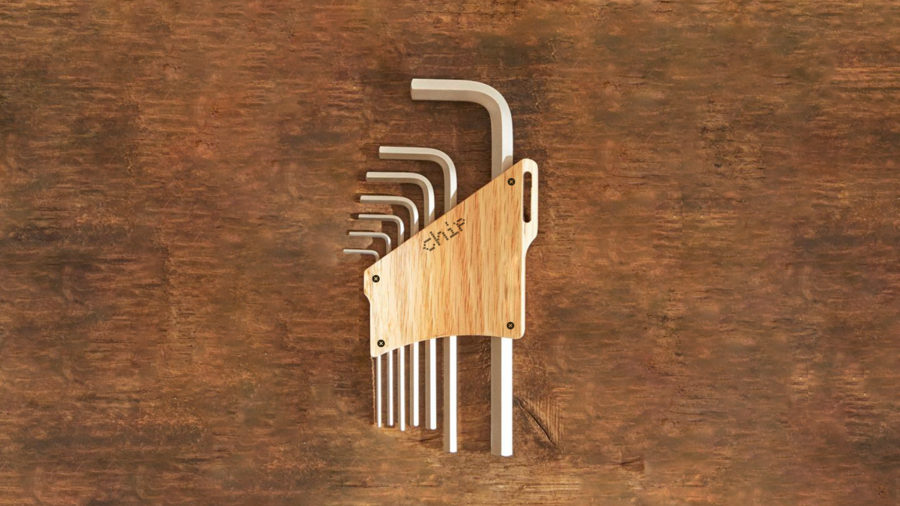
Tools for Chip workshops
The Media Ecology theory offers a distinctive view of media, asserting that the medium itself is the message. With this theory, a designer can more thoughtfully and creatively consider media and choose the medium best suited to their idea.
Sign with the name of the Chip workshops
Uses and Gratifications Theory suggests that consumers are active and decide which media to use to satisfy their needs, whereas Media Effects theories argue the opposite, portraying message recipients as passive. A designer can deliberately choose different design approaches depending on whether they view their audience as active or passive.
Theories about group communication help a designer analyse, predict, and adjust team workflows. Cohesive teamwork can greatly improve quality of a design project.
Presentation of your brand for a general audience
Katya is a young, creative woman who works as a designer and recently moved into a new unfurnished apartment. She wanted to buy furniture, but because she is very particular about design, Katya couldn’t find anything suitable in stores — it was important to her that the furniture be original and match her tastes. Then she had an idea: why not make the furniture herself? The thought inspired her. However, she had no way to bring the idea to life — she had no workshop, the equipment was expensive, and she had limited woodworking and metalworking skills. What to do? Would she really have to give up her ideas?
Merch for Chip workshops
Then Katya learned about Chip workshops — studios where people can turn their ideas into wood and metal. In the workshops she found everything she needed to make her furniture. The large space and specialized equipment at Chip workshops are perfect for realizing projects of any scale and complexity. Although Katya arrived feeling very unsure of her skills, she now helps other beginners, because with the help of an instructor and master-classes offered at Chip she greatly improved her abilities.
Navigation for Chip workshops
Today Katya’s apartment is arranged exactly like her dream home — she managed to bring all her ideas to life at the workshops, but most importantly — at Chip she found a community and like-minded people. In the workshops we help each other and exchange ideas, attend lectures and master-classes, and in our spare time we go to exhibitions, drink coffee and discuss what human name we would give to our new chairs. And that’s not all — when we posted Katya’s project on our social media, an employer found her and offered her a job as a furniture designer at a cool agency!
Chip workshops space
Presentation of your brand for a professional audience
The Chip workshops position themselves as a reliable and friendly community that is always ready to help and bring creative ideas to life — from the simplest to the most complex. The target audience consists of several groups: designers and architects; people involved in renovation, both amateurs and professionals who require workspaces; and beginners who want to try themselves in something new. They value craftsmanship and the maintenance of quality, the community they build around themselves, and, most importantly, the final result.
The main metaphor in the visual identity of the Chip workshops is the use of graphic elements resembling signage plates, overlaid on a grid of bolts and screws. This metaphor is also reflected in the typeface chosen for the brand’s logo.
Posters for Chip workshops
The color palette consists of five shades: white, blue, yellow, gray, and black. In addition, the brand identity includes a photo style based on the use of warm-toned photographs in which the main subjects are craftsmen and workers. The identity also employs wood and metal textures, which correspond to the yellow and gray colors respectively.
Safety rules in Chip workshops
To ensure proper use of the brand identity in the subsequent creation of brand materials, a guidebook was developed. It details how the logo may and may not be placed on mockups, how grids are constructed on posters, and how to correctly position signage elements on images and text.
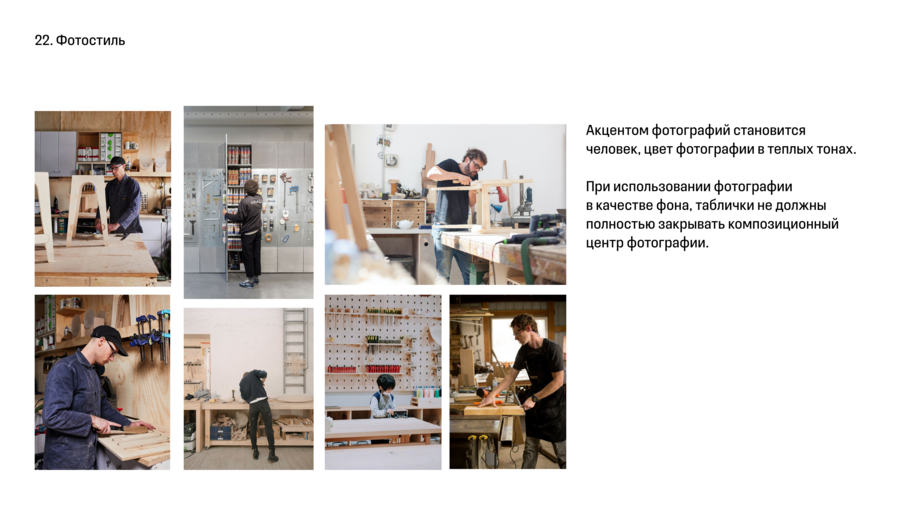
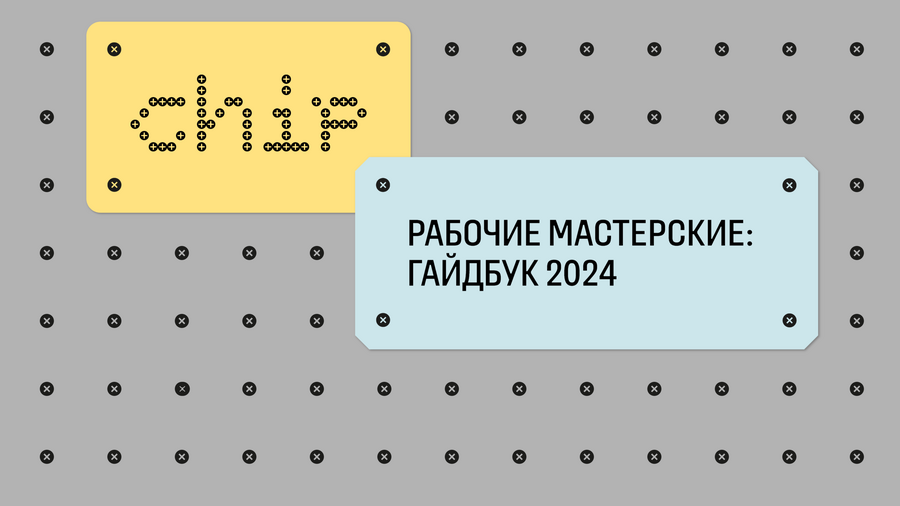
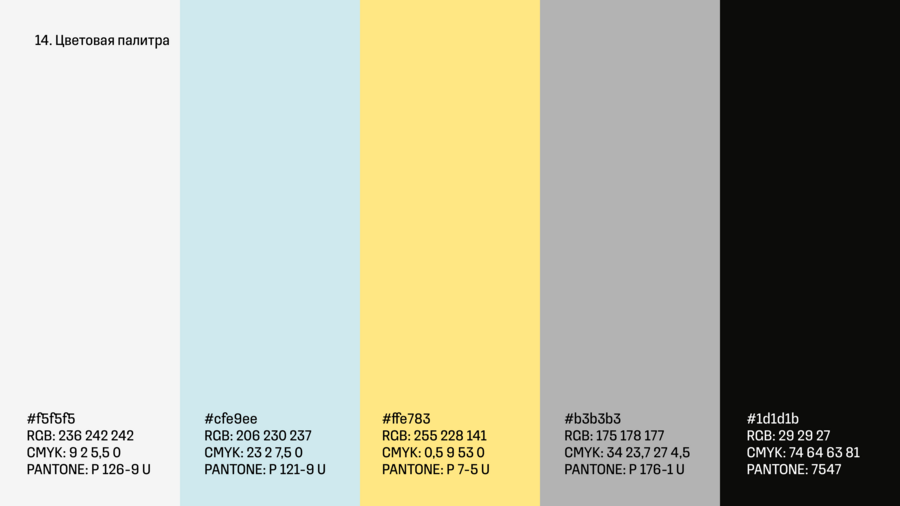
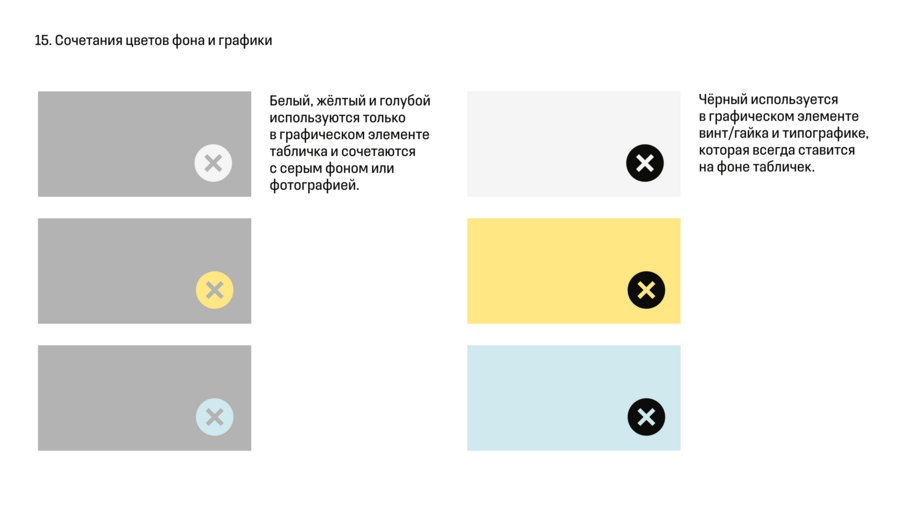
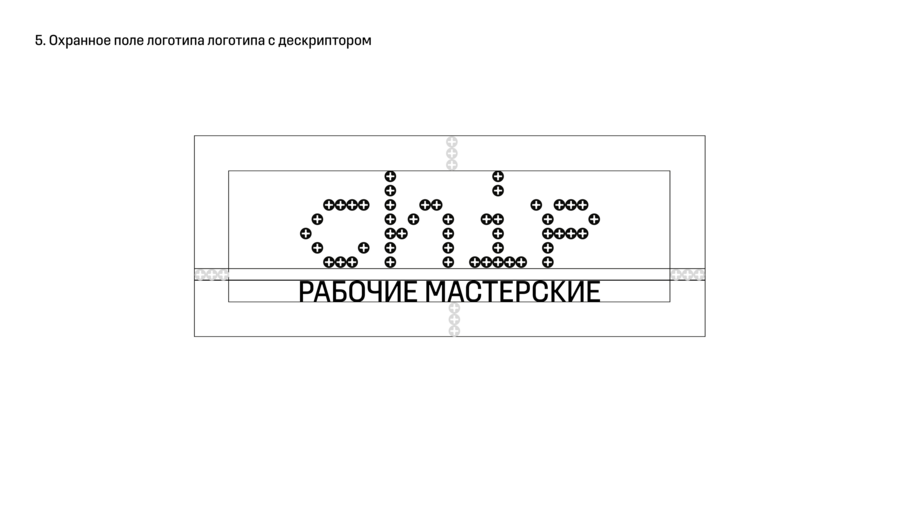
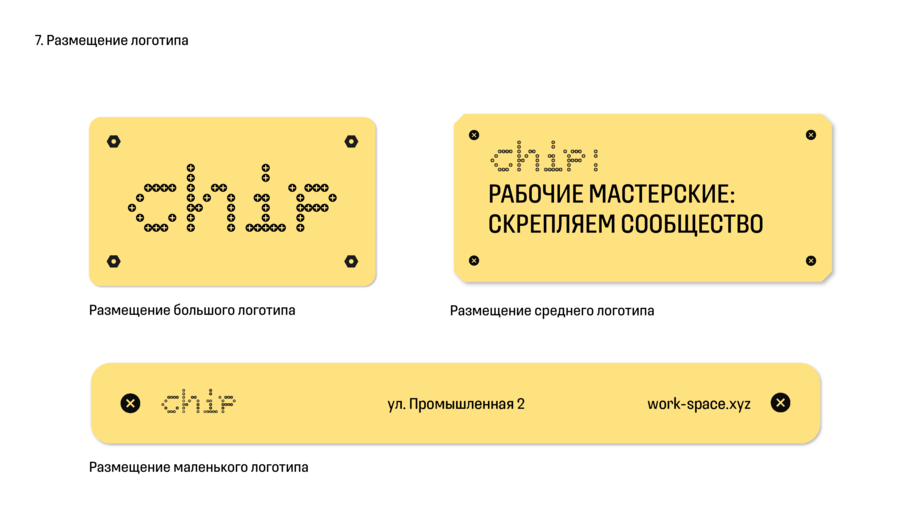
guidebook for Chip workshops
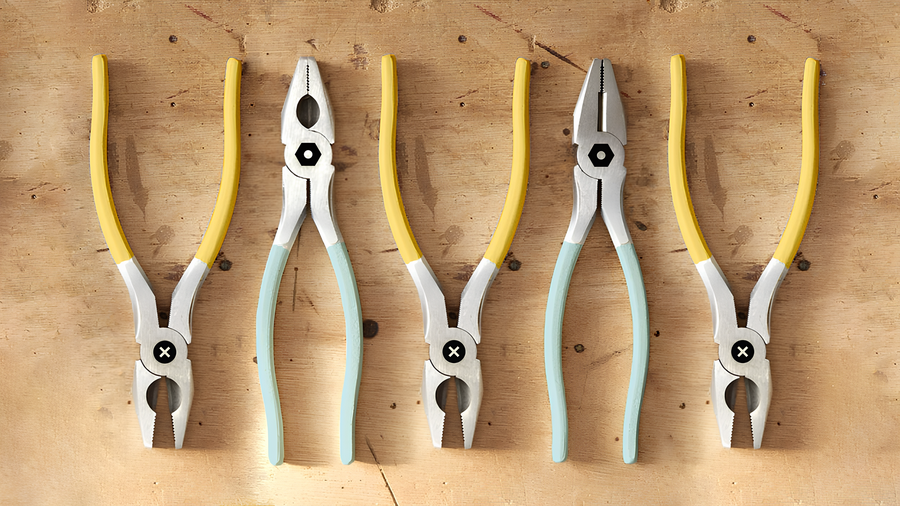
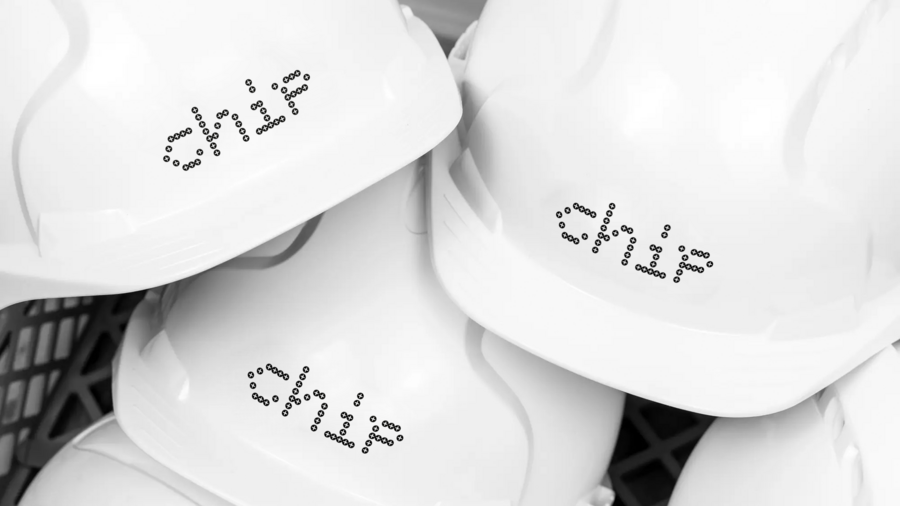
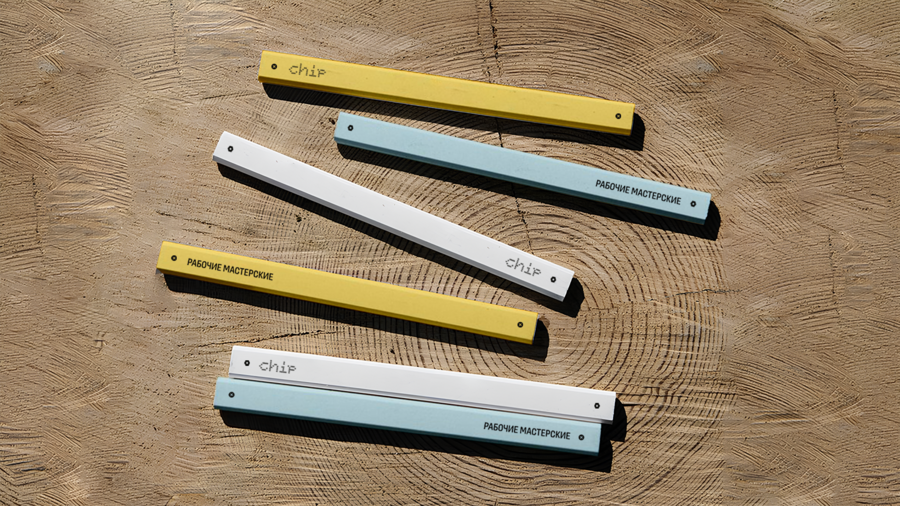
The presentation maintains a unified style through the use of wood and metal textures, and the mockups align with the identity of the workshops. Posters and banners are placed on wooden stands; the use of the logo and graphic elements on work-related tools is also shown (helmet, pliers, hammer, pencils).
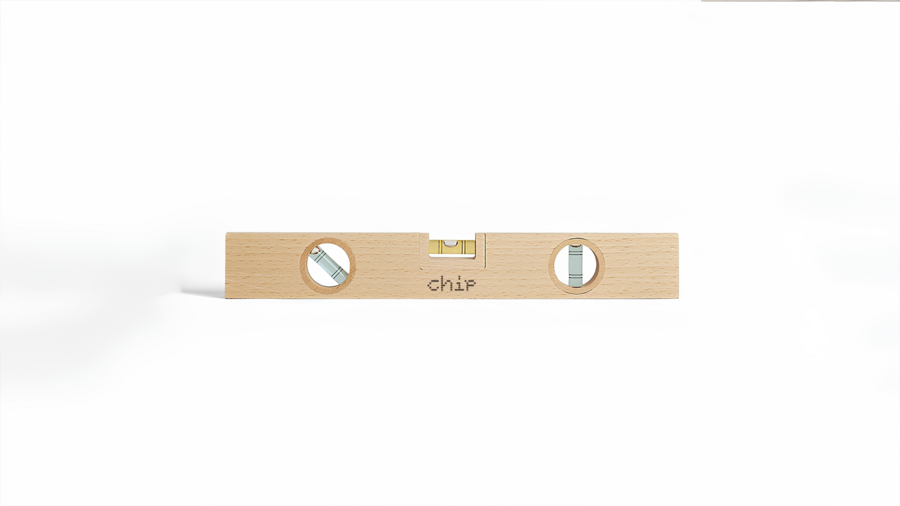
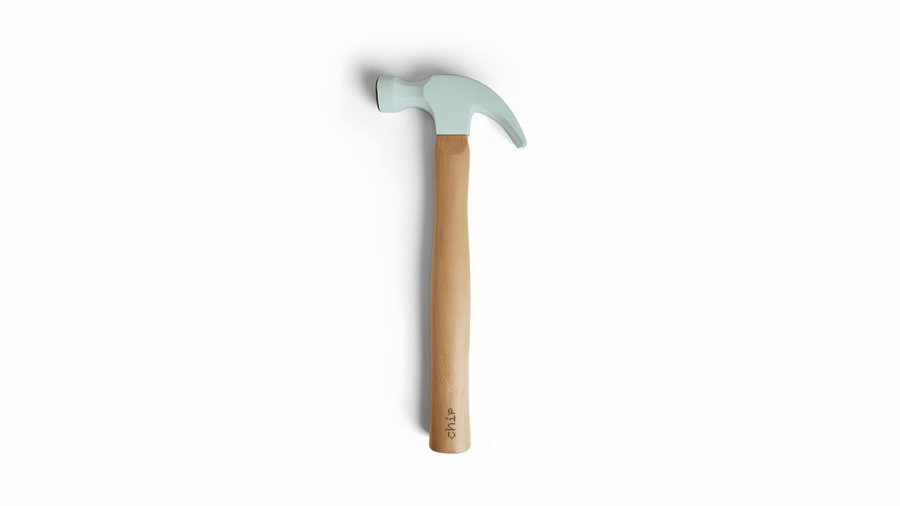
Tools for Chip workshops
Communication theory as basis for the presentations
For the Chip project, we chose five key communication theories that directly shaped both the content and the format of our presentations: Narrative Paradigm, Elaboration Likelihood Model, Uses and Gratifications, Social Identity Theory, and Media Ecology.
Narrative Paradigm